
What To Expect During an HVAC System Installation
Installing a new heating and cooling system is a significant step toward improving your home’s comfort and energy efficiency. While many homeowners know they need a new system, they may not be familiar with the installation process itself. Understanding what happens during installation can help you feel more confident when working with experienced HVAC contractors.
Scheduling the Initial Consultation and Assessment
The installation process typically begins with an in-home consultation. During this visit, professionals evaluate your current system, inspect your home’s layout, and determine your heating and cooling needs. This assessment helps ensure that the new system is properly sized and suited for the home.
Professional HVAC companies look at several factors during this stage, including square footage, insulation quality, ductwork condition, and the number of windows and doors. Each of these elements affects how efficiently a heating and cooling system will perform. If the system is too small, it may struggle to maintain comfortable temperatures, while an oversized system may cycle on and off too frequently.
This consultation also provides an opportunity for homeowners to ask questions and discuss available equipment options. Contractors may recommend energy-efficient systems that help reduce utility costs and improve long-term performance.
Selecting the Right HVAC System for Your Home
Once the assessment is complete, the next step is choosing the appropriate HVAC system. There are several types of systems available, including central air conditioners, heat pumps, furnaces, and ductless mini-split systems. The right choice depends on your home’s structure, climate, and personal comfort preferences.
Many HVAC contractors present multiple options to help homeowners compare features, efficiency ratings, and long-term costs. Modern HVAC systems often include advanced features such as programmable thermostats, variable-speed motors, and improved air filtration technology. These upgrades can improve both comfort and indoor air quality.
Energy efficiency is another important consideration when selecting a system. Systems with higher efficiency ratings may cost more initially but can lead to lower utility bills over time. Contractors can help explain the potential savings associated with different models and help homeowners make an informed decision.
Preparing the Home for Installation
After the system has been selected, preparation for installation begins. This stage often involves scheduling the installation date and ensuring the home is ready for the work. Homeowners may be asked to clear space around the current HVAC equipment and ensure technicians have access to the areas where installation will occur.
Experienced HVAC companies take steps to protect the home during the installation process. They may use drop cloths, protective coverings, and other tools to prevent damage to floors, walls, or nearby furniture. Proper preparation helps ensure the installation proceeds smoothly and efficiently.
In some cases, minor upgrades or adjustments may be needed before installation begins. For example, contractors might recommend improvements to ductwork, electrical connections, or ventilation systems. Addressing these issues in advance helps ensure the new HVAC system operates properly once it is installed.
Removing the Existing HVAC Equipment
Before installing the new system, technicians must remove the old equipment. This process typically involves safely disconnecting the system from electrical components, gas lines, and ductwork. The old unit is then carefully removed from the property.
Professional HVAC contractors follow strict safety procedures during this stage to ensure that the removal process does not damage surrounding structures or utilities. Refrigerant from the old system must also be handled and disposed of according to environmental regulations.
Removing the old equipment allows technicians to inspect the installation area more closely. They may check the condition of mounting platforms, duct connections, and other components that will support the new system. Any issues discovered during this inspection can be addressed before installation continues.
Installing the New HVAC System
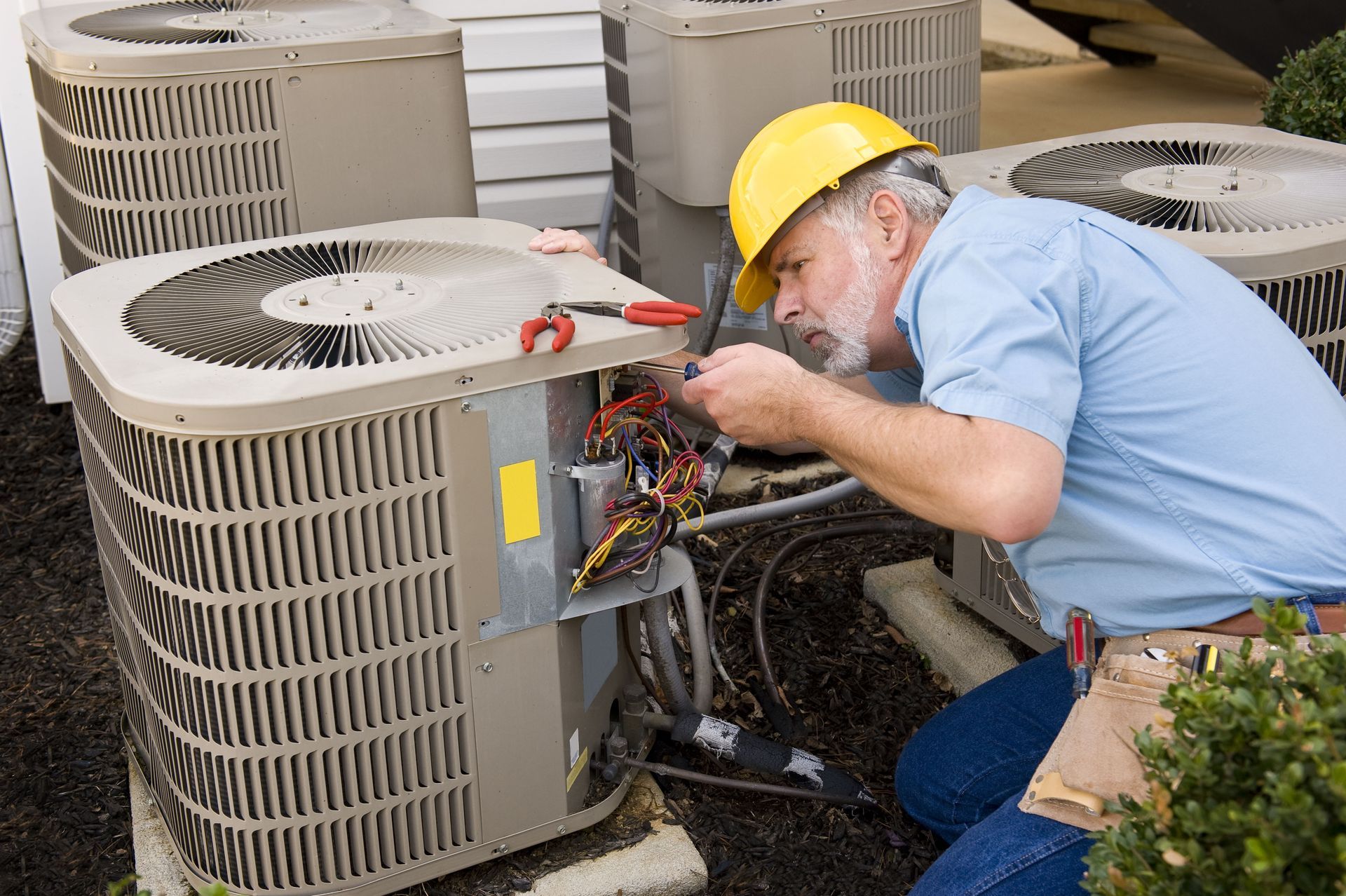
The installation of the new system is the most important phase of the project. Technicians carefully position and secure the indoor and outdoor components of the HVAC system according to manufacturer specifications. This may include installing a new air handler, condenser unit, furnace, or other essential components.
During this process, HVAC companies connect the system to ductwork, electrical wiring, and refrigerant lines. Proper sealing and insulation are essential to ensure the system operates efficiently. Even small leaks in ductwork or refrigerant lines can reduce performance and increase energy costs.
In many installations, contractors also install a new thermostat or upgrade the existing one. Modern smart thermostats allow homeowners to control temperature settings remotely and optimize energy usage throughout the day. These devices can play an important role in improving overall HVAC efficiency.
The installation process may take several hours or, in some cases, a full day depending on the complexity of the system and the size of the home. Skilled technicians work methodically to ensure every component is installed correctly.
Testing the System and Ensuring Proper Performance
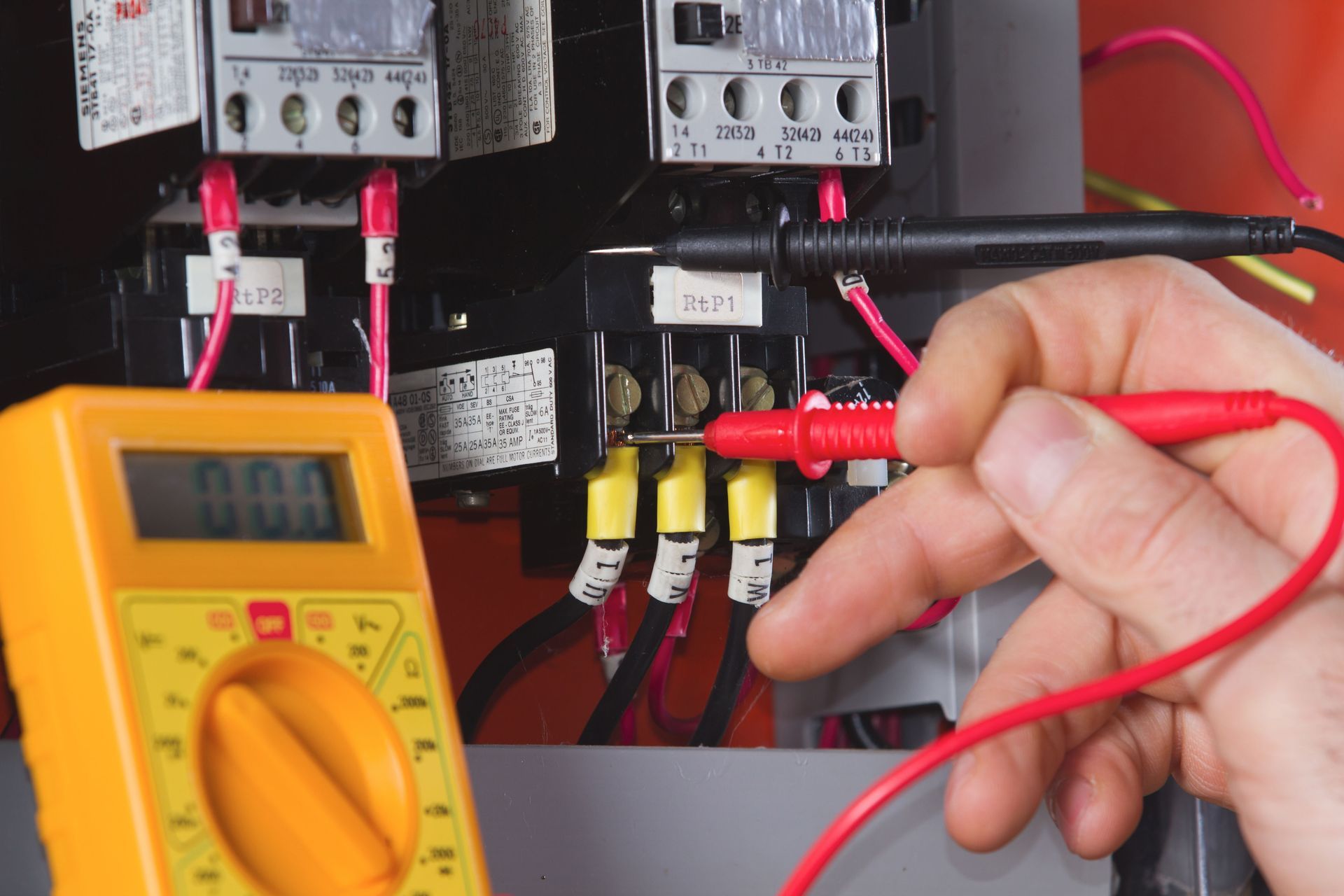
After installation is complete, technicians conduct thorough testing to ensure the system is functioning properly. This stage involves checking airflow, temperature output, thermostat communication, and refrigerant levels. Proper testing ensures the system operates safely and efficiently from the start.
Reliable HVAC contractors also verify that all electrical connections and safety controls are working as intended. They may run the system through multiple cycles to confirm consistent performance. If any adjustments are needed, they can be made before the installation is finalized.
Testing is an important step because it helps identify potential issues before they become long-term problems. A properly tested system is more likely to operate efficiently and require fewer repairs during its lifespan.
Explaining System Operation and Maintenance
Once the installation and testing are complete, technicians typically explain how the new system works. Homeowners receive instructions on how to operate the thermostat, adjust temperature settings, and replace air filters.
Many HVAC contractors also provide guidance on routine maintenance tasks that help extend the life of the system. Regular filter replacement, seasonal inspections, and professional maintenance services all contribute to keeping HVAC systems running efficiently.
Understanding proper system care is essential for long-term performance. According to the Workyard, U.S. consumers spend over $10 billion annually on HVAC repairs and maintenance. Regular maintenance can help prevent unexpected breakdowns and reduce costly repair needs over time.
Homeowners may also receive warranty information and documentation related to the new system. Keeping these records organized makes it easier to schedule service or address issues if they arise in the future.
Planning for Long-Term HVAC Performance
Installing a new HVAC system is only the first step in maintaining a comfortable home environment. Long-term performance depends on consistent maintenance and occasional system evaluations. Scheduling regular inspections allows technicians to identify minor issues before they develop into larger problems.
Experienced HVAC companies often recommend seasonal maintenance visits to prepare the system for heavy heating or cooling periods. These inspections may include cleaning coils, checking refrigerant levels, testing electrical components, and ensuring airflow remains balanced throughout the home.
Homeowners can also support system performance by keeping vents unobstructed, maintaining clean air filters, and monitoring thermostat settings. Small steps like these help ensure the HVAC system continues operating efficiently for many years.
HVAC system installation involves several important steps, from initial consultation and equipment selection to final testing and maintenance guidance. By working with experienced HVAC contractors, homeowners can ensure their new system is installed correctly and built to provide reliable comfort for years to come. If you are looking for a reliable HVAC service, contact Coastal Mechanical today to learn more and get started!
Share On: