
3 Facts You Should Know About Your Home Plumbing System
A well-functioning plumbing system is the backbone of any comfortable home, quietly delivering water where it’s needed and safely removing wastewater. From the pipes hidden behind walls to the fixtures you use every day, understanding the basics of your home’s plumbing can save you time, money, and stress. Knowledge about water supply, drainage systems, and modern piping materials helps homeowners make informed decisions when maintenance or repairs are needed. Additionally, monitoring water pressure and recognizing early warning signs of plumbing issues can prevent minor inconveniences from turning into costly problems. By gaining a foundational understanding of your system from a plumbing contractor, you’re better equipped to maintain its efficiency and longevity.
1. Learning The Basics of Plumbing Systems
Your home’s plumbing system is an intricate network that ensures the efficient flow of water and waste. It includes everything from your water supply and waste management to the pipes and fittings that connect all of these elements. The complexity of these networks often requires homeowners to have a baseline understanding to better manage and prevent issues. This system operates behind the scenes, with many components hidden from view, which can make pinpointing problems challenging. Having a working knowledge of your plumbing can save time, money, and inconvenience when issues arise.
At the heart of a residential plumbing system are two main subsystems: the water supply and the drainage system. The water supply subsystem brings fresh water into the home through a series of pipes, usually relying on municipal water sources. The drainage system, on the other hand, removes wastewater from the home, utilizing gravity to transport waste through pipes to septic tanks or sewage lines. Each subsystem plays a vital role in ensuring your home remains comfortable and functional. Understanding how they operate can help in maintaining the system's health and dealing with issues when they occur.
Over the years, significant advancements have been made in plumbing technology, as any plumbing contractor can tell you, making systems more efficient and reliable. According to This Old House, galvanized iron or steel pipes were once standard in early 20th-century homes, but today’s systems more commonly use materials like copper, polyvinyl chloride (PVC), and cross-linked polyethylene (PEX). These modern materials offer distinct advantages such as increased durability and easier installation. Recognizing these materials and their benefits can assist homeowners in making informed decisions about upgrades or repairs.
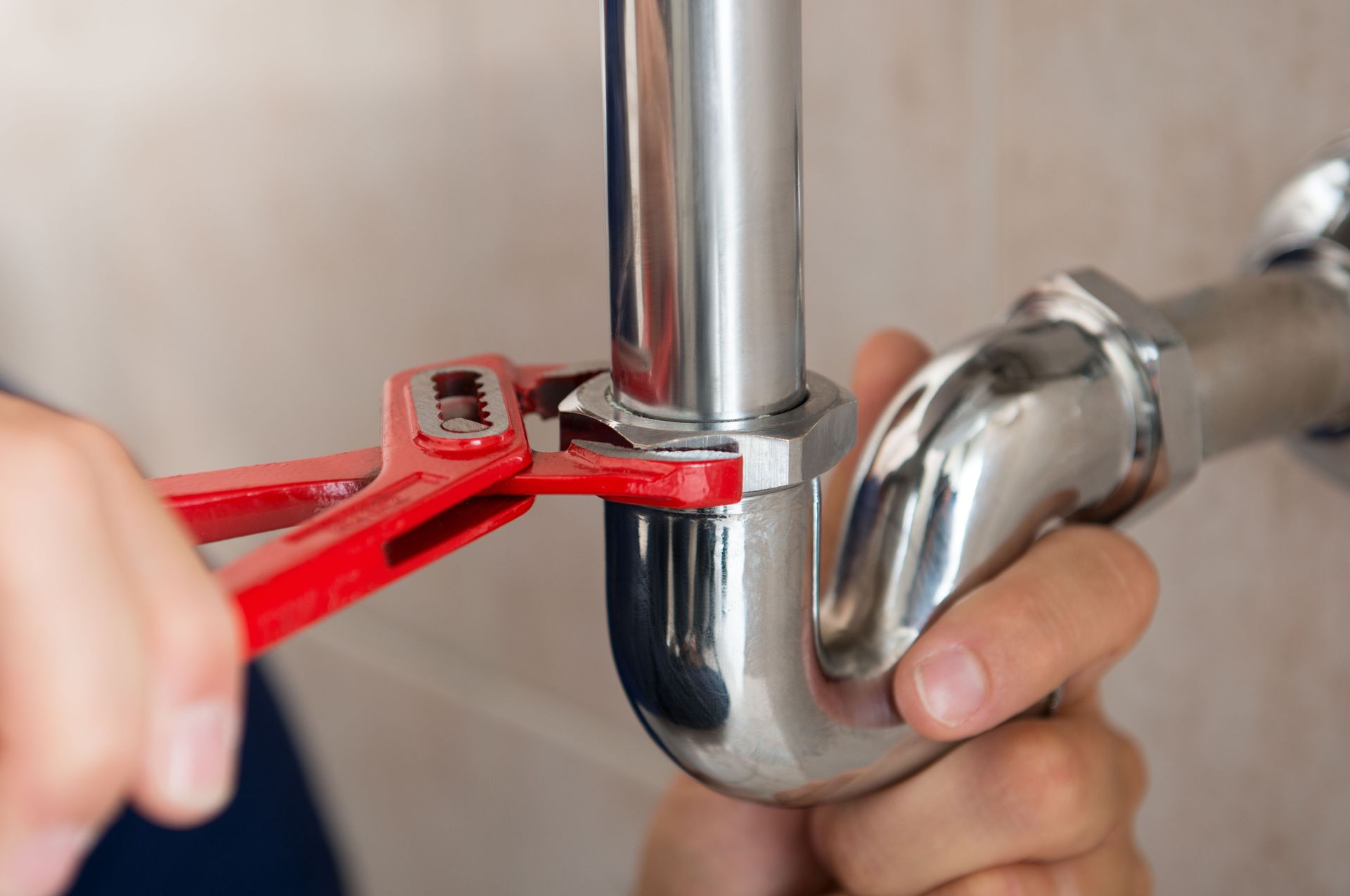
Understanding the main components of your plumbing system can give you better control over its maintenance and troubleshooting. Key components include pipes, fixtures, fittings, and pumps, each serving unique functions within the network. Pipes act as the system's circulatory system, transporting water to and from various parts of the home. Fixtures such as sinks, toilets, and showers serve as endpoints for water access and waste disposal. Fittings join together sections of pipe, while pumps maintain water pressure and ensure the flow reaches where it's needed.
2. Understanding Water Pressure
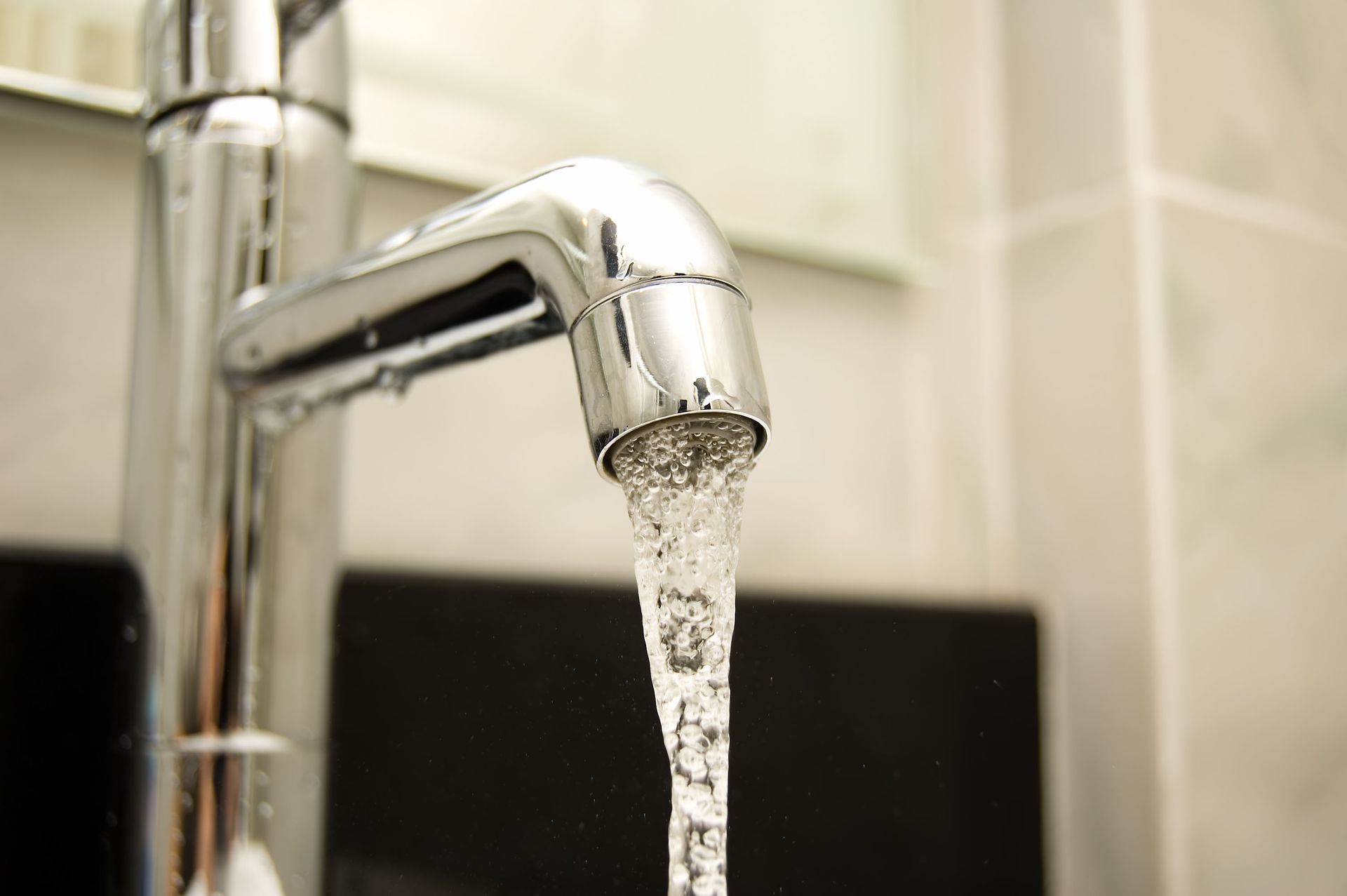
Water pressure refers to the force exerted by water in plumbing systems as it moves through pipes and fixtures. This measurement is typically represented in pounds per square inch (PSI), determining how effectively water flows to different parts of a home. Water pressure that is too low can result in inadequate flow, impacting daily activities, while excessive pressure can cause damage to pipes and fixtures. Hence, maintaining optimal water pressure is vital for efficient and sustainable household operations.
The water pressure in most homes is influenced by the plumbing system's design, elevation, and the source of the water supply. Higher elevations naturally reduce water pressure due to gravitational force, whereas water supplied from municipal systems often requires additional pressure regulation. Homeowners should be aware of the standard pressure for their area, as variations can indicate underlying plumbing issues. Regular monitoring from a plumbing contractor can help maintain system integrity and enhance water conservation.
Multiple factors can influence your home's water pressure, from the design of the plumbing system to specific fixtures and elevations. Knowledge of what constitutes standard pressure from a plumbing contractor in your area can help identify anomalies that might require attention. Ensuring you maintain optimal pressure assists not only in conserving water but also in extending the life of plumbing infrastructure. Routine checks and adjustments as necessary can contribute significantly to household efficiency and comfort.
The water pressure in a plumbing system directly affects its performance and longevity. Properly regulated pressure ensures efficient operation of fixtures and protects the entire system from undue stress. High water pressure can lead to leaks, increased wear on pipes and fittings, and a higher likelihood of plumbing catastrophes. Conversely, low pressure can result in poor fixture performance, making daily tasks such as showering or filling appliances time-consuming and inconvenient.
3. Recognizing Signs of Potential Plumbing Problems
Unusual noises emanating from pipes, such as banging, clanging, or whistling, often indicate an underlying issue that needs a plumbing contractor. These sounds, commonly referred to as water hammer, can occur when there is a sudden change in water flow, causing shockwaves through the pipes. Such disruptions can stress joints and connections, ultimately leading to leaks or water pressure drops in the system. Homeowners should address these noise signs promptly to prevent escalation into more significant problems.
The causes of unusual pipe noises can vary from loose piping, high-efficiency appliances causing backflow, or turbulent flow due to high water pressure. Often, installing a water hammer arrestor or securing loose pipes can eliminate the noise and associated risks.
While some noises result from minor issues easily mitigated, persistent or loud noises warrant a professional evaluation to ascertain the cause and extent of the problem. Homeowners should take caution in investigating noisy plumbing themselves due to the potential intricacies involved. Professional plumbers have the tools and expertise needed to diagnose and remedy these issues safely and effectively, ensuring peace of mind and robust operational longevity for your home’s plumbing network.
Slow-draining sinks, tubs, or toilets can be an indicator of obstructions or issues within the plumbing system. Common causes include a buildup of materials such as hair, soap, or food particles in pipes, resulting in restricted flow and reduced efficiency. If left unchecked, these slow drains can escalate to complete blockages, leading to potential overflows or plumbing failures. Regular maintenance, such as drain cleaning or the use of eco-friendly drain solutions, can mitigate these risks.
Low water pressure is often symptomatic of larger plumbing issues, such as leaks, pipe corrosion, or faulty pressure regulators. It may manifest in singular or multiple fixtures, creating inconvenience and indicating inefficiencies in the water supply system. These issues necessitate immediate investigation from a plumbing contractor to determine whether the cause is isolated or systemic, helping to pinpoint the exact source and nature of the underlying problem for timely resolution.
Maintaining a healthy plumbing system requires both awareness and timely action. By understanding how your water supply and drainage networks function, monitoring water pressure, and paying attention to unusual sounds, slow drains, or pressure changes, homeowners can identify potential problems before they escalate and need help from a plumbing contractor. Regular inspection and early intervention help preserve the integrity of pipes, fixtures, and fittings, ensuring your home remains comfortable and functional. If you notice persistent issues or signs of plumbing trouble, contact a licensed professional plumber at Coastal Mechanical to assess and address the situation promptly. Taking these proactive steps ensures reliable water flow, protects your home from damage, and provides peace of mind for you and your family.
Share On: